Tree plantation / Systematic Afforestation
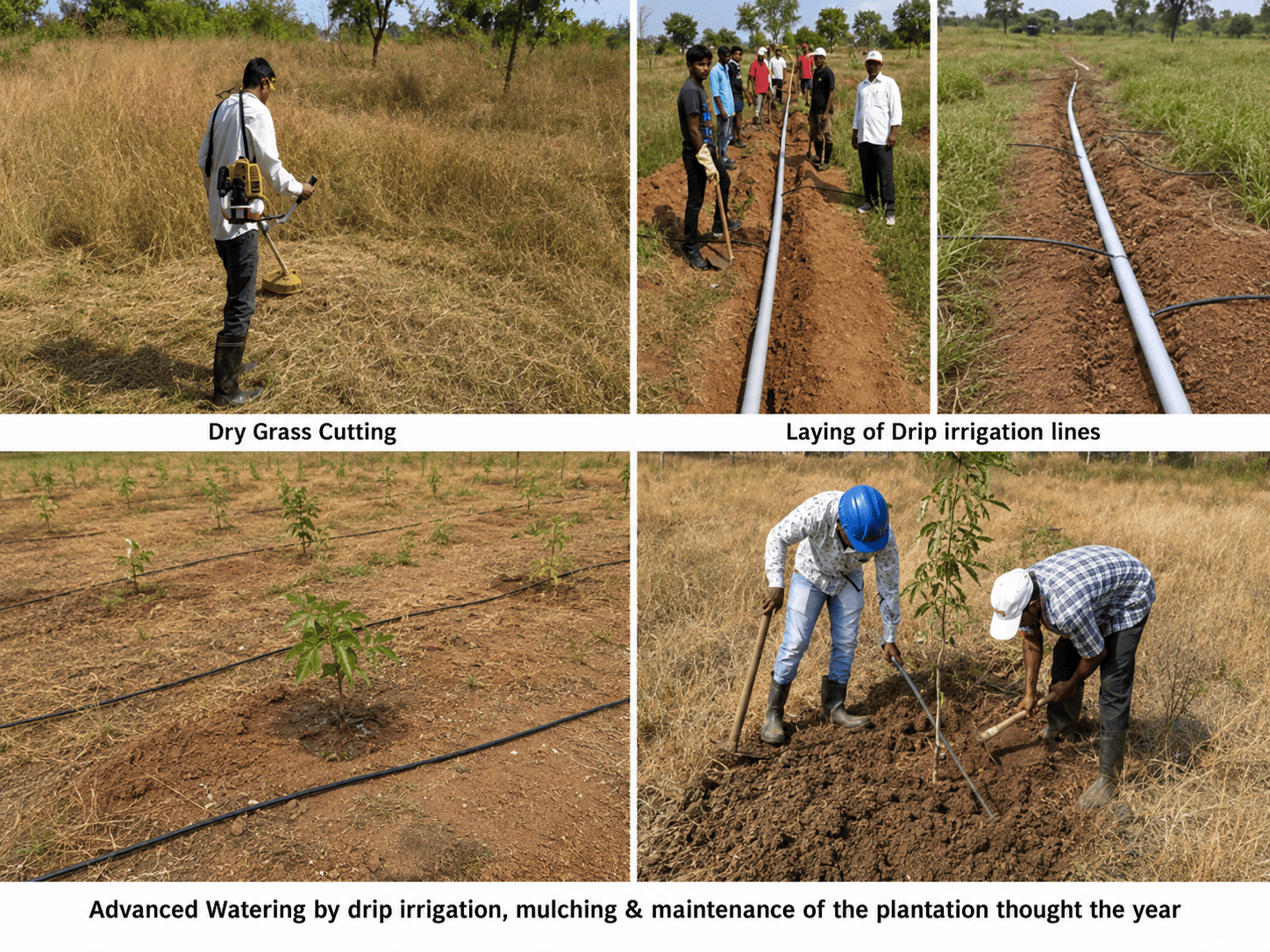
Tree Public Foundation is implementing scientifically planned Large-scale native afforestation initiatives across designated open spaces to restore degraded landscapes, enhance biodiversity, and strengthen climate resilience. Using a data-driven approach involving soil assessment, native species selection, precision plantation techniques, drip irrigation, and continuous monitoring, we ensure high sapling survival and long-term ecological sustainability.
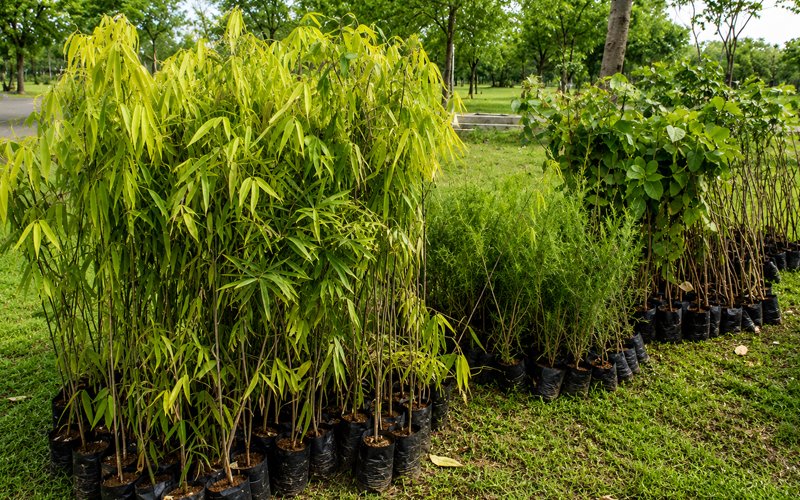
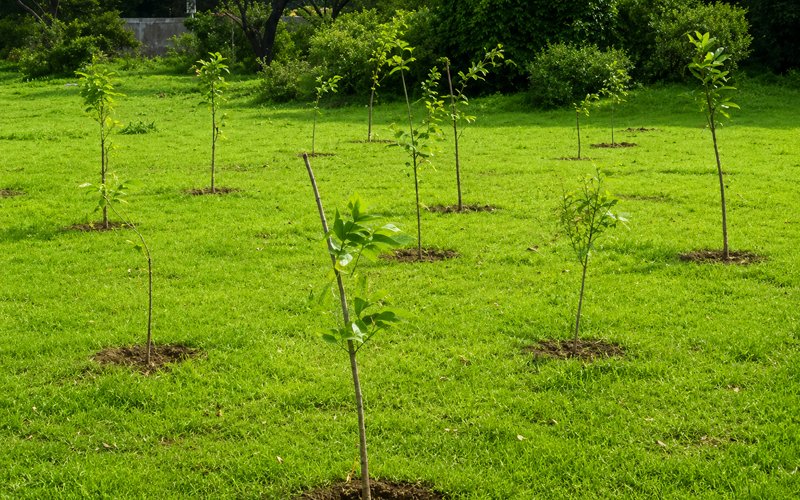
By planting healthy 4–5 ft native saplings and undertaking year-round maintenance for a minimum of three-year period for each project life cycle, our afforestation initiative improves canopy cover, soil health, groundwater recharge, and carbon sequestration. Studies have shown that scientifically planned large scale native afforestation supports in reducing surrounding land surface temperatures by approximately 2–4°C, mitigate Urban Heat Island effects, and create habitats for birds and pollinators.
Our Scientific Methodology for Afforestation
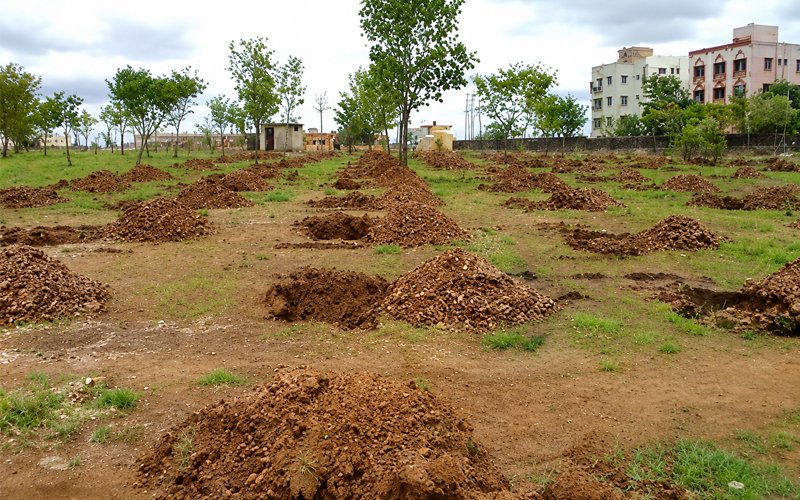
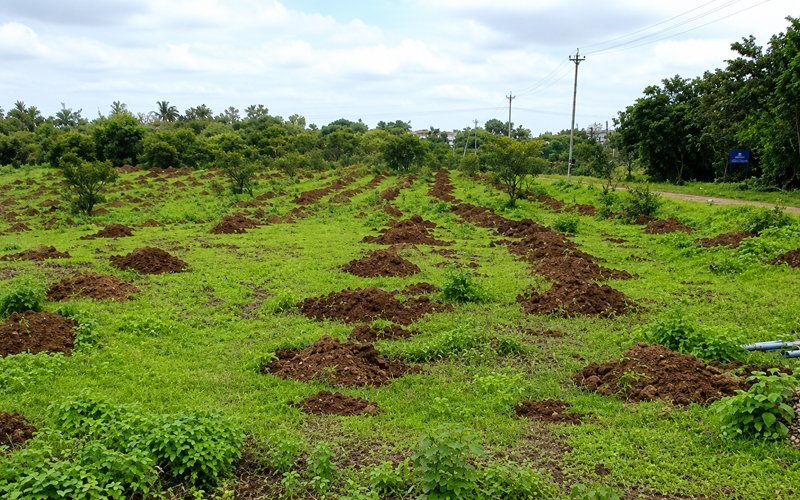
Tree Public Foundation follows a scientifically planned afforestation methodology designed to achieve high sapling survival rates, ecological restoration, and long-term climate resilience. The model integrates scientific pit preparation, soil analysis, pre-monsoon land preparation, plantation of healthy 4–5 ft native saplings, efficient drip irrigation, and continuous maintenance practices including mulching, organic nourishment, weed control, and survival audits. This data-driven approach enhances root development, moisture retention, canopy growth, groundwater recharge, biodiversity restoration, and carbon sequestration. Through year-round monitoring and sustainable land management, we have consistently achieved high plantation survival rates of approximately 80–95%, significantly higher than conventional plantation models.